Traditional pastoral activities in the Romanian Carpathians – the main driver of an ancient cultural landscape with remarkable biodiversity
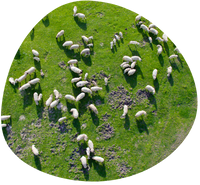
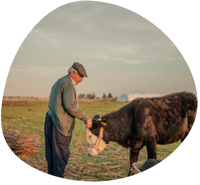
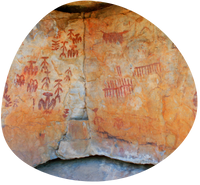
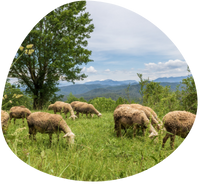
The Carpathians are one of Europe’s largest mountain ranges and a place where different cultures met starting from the prehistorical era to the present day. Almost 50% of the Carpathian Mts. are located on the Romanian territory. Besides their cultural, socio-economic and geo-political importance, the Carpathians are home to remarkable biodiversity, most of it being represented by species rich natural and semi-natural ecosystems, endemic plants and animals. The Romanian Carpathians have the highest density of both large carnivore populations (wolf, brown bear and lynx) and livestock that spend the summer grazing in alpine and subalpine pastures out of all the European mountain ranges. At the same the Romanian Carpathians still conserve species rich semi-natural grasslands (endangered or abandoned in many other European countries) that were created and maintained by the pastoral communities living here for millennia, as well as cultural landscapes with unique structure and high conservation value. Pastoral activities in the Carpathians most probably date back to prehistory, although some antique sources mention the Geto-Dacian as being skilled pastoralists. Different types of pastoral activities are still practiced in this section of the Carpathians. For example, short distance transhumance is mentioned in documents dating from XIII and XIV centuries, in Southern Transylvania and Maramureș. We will discuss the importance of different pastoral practices in the creation of this specific cultural landscape found in the Romanian Carpathians and the conservation of species rich semi-natural ecosystems.