Traditional Livestock Farming in Anatolia
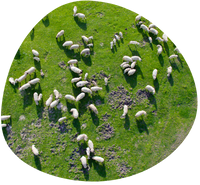
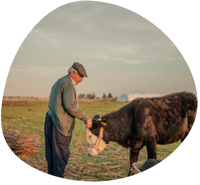
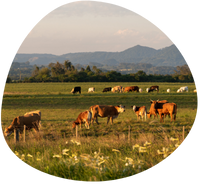
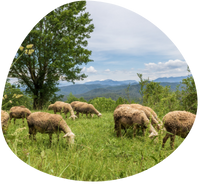
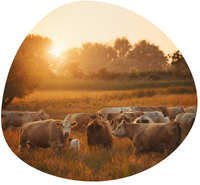
Anatolia, with its deep-rooted history spanning thousands of years, is one of the significant centers of traditional animal husbandry. For centuries, farming and livestock have been fundamental sources of livelihood for people in this region. Traditional Anatolian animal husbandry is often carried out in small-scale family enterprises, with animals typically being fed in natural environments. This ensures that animals are raised in a healthy and natural manner, contributing to the preservation of local ecosystems.
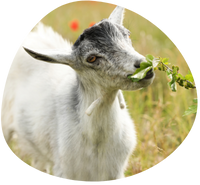
Among the animals traditionally raised in Anatolia are sheep, goats, cattle, horses, and chickens. These animals are raised in accordance with the region’s climate and geography and are usually cared for by families with a nomadic or semi-nomadic lifestyle. Particularly in mountainous and rural areas, animal husbandry holds a significant place as a cultural heritage and contributes significantly to the region’s economy.
Traditional Anatolian animal husbandry is also of great importance for the conservation of local species and the sustainability of biodiversity. These species are often adapted to local conditions and are resilient, making them more resistant to environmental changes. Additionally, traditional animal husbandry in Anatolia contributes to the preservation of local products and cultural values.
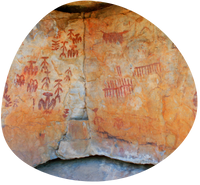
In conclusion, traditional animal husbandry in Anatolia is a part of the region’s rich cultural and ecological heritage and serves as an important example for sustainable agriculture and lifestyles. The preservation and support of these traditional practices are vital for the well-being of local communities and the conservation of the environment. In this presentation, I will discuss the historical development of Anatolian animal husbandry and its place in our culture.