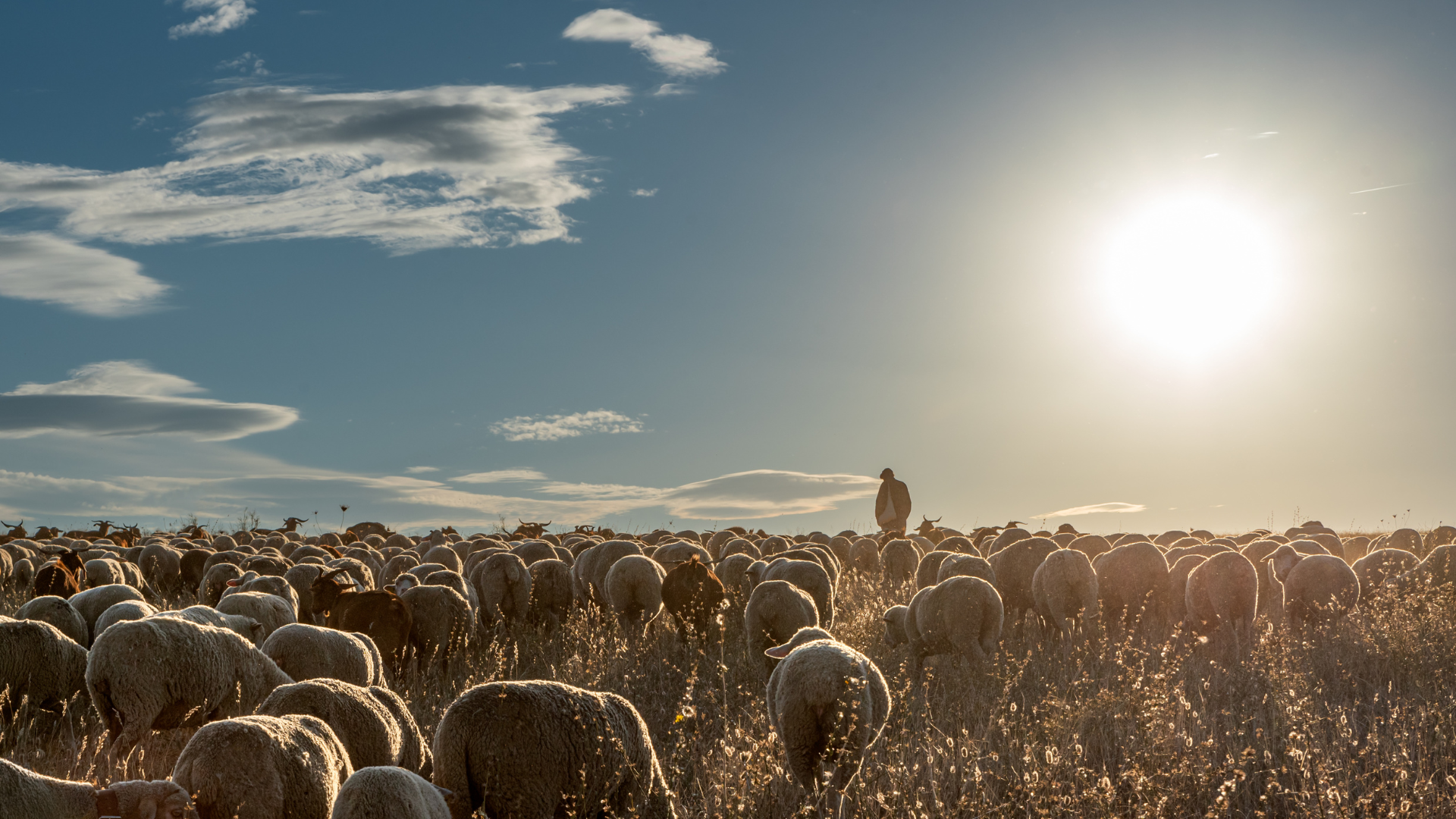
The REBANHOS workshops will bring together experts from diverse fields, including history, archaeology, anthropology, economic history, sustainable development, and cultural heritage. Together, we aim to establish a comprehensive, interdisciplinary framework for examining contemporary and ancient pastoral communities, considering their animal and human constituents.
Organising Committee
Silvia Valenzuela-Lamas
Silvia Valenzuela-Lamas is a tenured scientist at the Spanish National Research Council (CSIC). Her research is focused on how socio-economic changes shape animal husbandry practices through time. Her research topics of interest include animal husbandry and mobility, cultural and social differences, economic history, and sustainability, for which she combines taxonomy, taphonomy, osteometry, isotopic analysis (strontium, carbon and oxygen), ancient DNA and dental microwear. More information is available here and here.
Joerg Baten
Joerg Baten is professor of economic history at the University of Tuebingen. His research revolves around on the long-run development of human capital, living standards and violence. Currently, he focusses on bioarcheological research and development research in Africa. His seven books (partly co-edited) include “A History of the Global Economy” (2016) and “The Backbone of Europe: Health, Diet, Work and Violence over Two Millenia” (2019). Baten is editor-in-chief of the journal “Economics and Human Biology” (Impact Factor 2.8); 2015-17 he was President of the European Historical Economics Society.
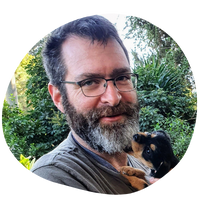
Nimrod Marom
Nimrod Marom is an archaeozoologist interested in human environments, paleoecology, domestication, and animal economy as they unfolded through time around the Mediterranean Sea.

Marta G Rivera
Marta G. Rivera-Ferre, PhD in Animal Sciences and PhD in Sociology. Research Professor at the Spanish National Research Council in INGENIO (CSIC-UPV). Prof. Rivera-Ferre has a interdisciplinary profile in the analysis of the society and environment interactions within agri-food systems. From 2015-2021 she coordinated the Chair Agroecology and Food Systems aimed at the study of “(Re)productive agri-food systems, for social transformation towards food sovereignty, through agroecological governance, knowledge and practices, in the context of global environmental change”. She has a particular interest in the potential of local traditional agri-food knowledge in adaptation to climate change, food security and food sovereignty, as well as in the analysis of feminists and commons theories as to be adopted in agri-food research. She is also interested in the way different mental models and discourses co-exist in agricultural research and management. She has participated as lead author in the UN-lead assessments the International Assessment of Agricultural Knowledge Science and Technology for Development (IAASTD, 2005-2008), the Intergovernmental Panel of Climate Change (IPCC) in the chapters Rural Areas (AR5, 2010-2014) and Food security (SRCCL, 2017-2019), and the Intergovernmental Platform of Biodiversity and Ecosystem Services (IPBES, 2022-2025); and as Review Editor in the Livelihoods and Poverty chapter (AR6, 2018-2021) of the IPCC. She is actively engaged in outreach activities of science to society, using traditional and more creative ways of communication.
REBANHOS