Impacts, adaptation and vulnerability of extensive livestock systems to shocks
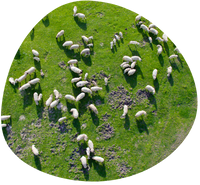
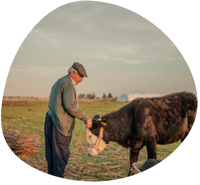
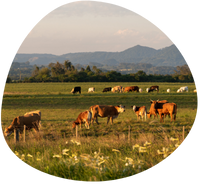
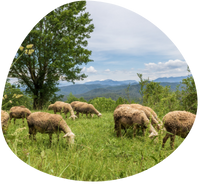
Extensive livestock farming systems are reliable production systems with higher capacity to adapt to changing or uncertain situations than other production systems. This is the starting hypothesis of the project RupturEs in PASToral value chain and sustainability in a context of climate change and rising uncertainty (REPAST) where we analyze the impacts and adaptation capacity of extensive livestock farming to shocks with different temporal periodicity. As part of the project, we analyse three case studies, each of them representative of one of the most remarkable sudden transformations that our societies are experiencing: the eruption of the Cumbre Vieja volcano in Canary Islands, which is a shock with a temporal periodicity of 50 years, the covid-19 epidemic in Catalonia, which as a large-scale epidemics is expected to have a periodicity of 100 years, and the cold drop in the Valencian Community, that we use as a pilot of exposure to droughts and floods that we expect to suffer as a result of climate change. At the moment, the project’s activity is focused on field work, with interviews being conducted with farmers and other agents in the food value chain. We will share some of the preliminary results of the Valencian and Catalan case studies.